The Allure of Chance
Casino games have an inexplicable allure that draws individuals into their vibrant worlds. This attraction is deeply rooted in the psychology of chance and uncertainty. The prospect of winning big, however slim, creates a dopamine rush that keeps players coming back for more, especially when they explore options like poker online real money. This psychological phenomenon is often amplified by the design of the games themselves, which are crafted to evoke excitement and anticipation.
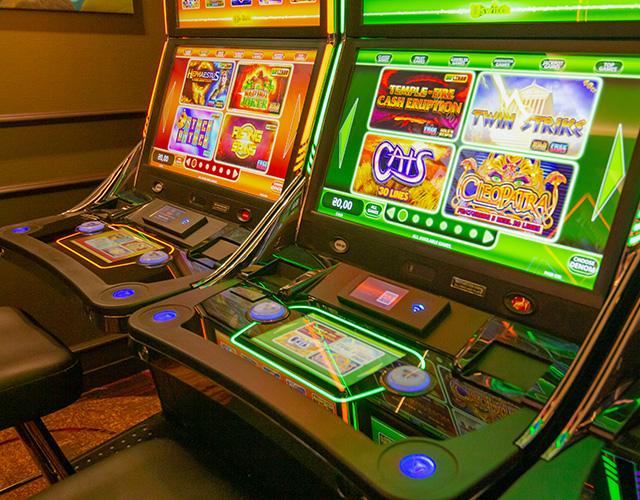
The thrill of risking money in hopes of a favorable outcome taps into human instincts. Players often perceive a sense of control over their decisions, believing that their skills or strategies can influence the unpredictable outcomes of games. This illusion of control can lead to increased engagement and repeated play, as players feel empowered to shape their destinies, even in the face of randomness.
The Role of Environment
The physical and sensory environment of a casino plays a crucial role in shaping player behavior. Bright lights, engaging sounds, and enticing visuals are strategically employed to create an immersive experience. This environment can evoke a sense of escapism, allowing players to forget their daily stresses and become engrossed in the moment. Such a setup is designed to enhance the emotional highs associated with gambling.
Moreover, the layout and accessibility of games contribute to player choices. Research indicates that players are more likely to gravitate toward machines or tables that are visually appealing and easily accessible. The design elements are not merely superficial; they are rooted in understanding psychological triggers that influence decision-making, making players more susceptible to extended play sessions.
Cognitive Biases and Gambling
Cognitive biases play a significant role in how players approach casino games and their choices. One of the most prevalent biases is the gambler’s fallacy, where individuals believe that past events can influence future outcomes. For instance, a player might assume that a slot machine that hasn’t paid out recently is “due” for a win, leading to misguided betting behavior.
Another cognitive bias is the illusion of skill, where players overestimate their ability to influence game outcomes. In games where luck is a dominant factor, such as roulette or slots, players may attribute their wins to skill rather than chance. This misperception can lead to reckless decision-making, as players chase losses or continue to gamble under the false belief that they can “change their luck.”
The Social Aspect of Gambling
The social environment surrounding gambling also plays a critical role in shaping player choices. Many individuals engage in casino games as a form of social interaction, enjoying the camaraderie and shared excitement with friends or other players. This social dynamic can enhance the enjoyment of gambling, making it a communal experience that reinforces continued participation.
Furthermore, peer pressure can influence gambling behaviors. Players may feel compelled to seek validation or approval from their peers, leading to riskier choices or extended play. The social aspects of gambling can both enhance the experience and contribute to problematic behaviors, particularly in settings where competition and social dynamics are prevalent.

Conclusion: Your Safe Haven for Sports Broadcasting
While the exploration of the psychological aspects of gambling can be captivating, it is essential to approach such topics with caution. Understanding the underlying motives and influences can aid in responsible gambling practices. Our website prioritizes user security and offers valuable insights into various aspects of sports broadcasting and gambling.
By providing a secure environment for our users, we ensure that you can explore these topics with peace of mind. Join us as we delve deeper into the world of sports and gambling, offering you the latest updates and information while fostering a safe and engaging experience.